




Are Leggings Bad for You? The Honest Medical Answer
In the world of activewear and everyday comfort, leggings have become a wardrobe staple for millions. Yet, questions often surface regarding their potential health implications. Are leggings bad for you, or is this simply an urban myth? At GearBunch, a brand built on empowering confidence and comfort through our bold, unique prints, we believe in clear, direct answers. Let's delve into the honest medical perspective on wearing leggings.
The short answer is no, leggings are not inherently bad for you. The concerns often raised about leggings typically stem from improper fit, extended wear of non-breathable materials, or neglecting basic hygiene. Just like any other garment, how you choose and wear your leggings makes all the difference. Understanding the nuances allows you to enjoy the unparalleled comfort and style of your favorite pair without concern for health risks leggings might supposedly pose.
The Core Question: Are Leggings Inherently Harmful?
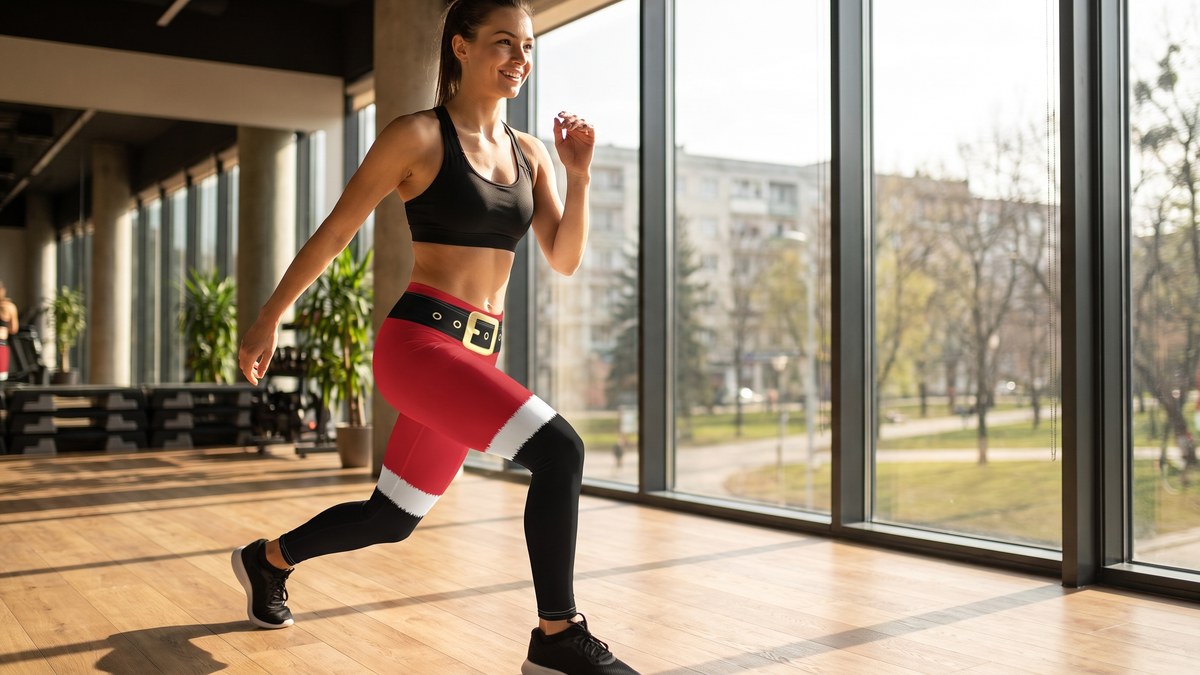
Many discussions around leggings and health suggest they might cause various issues. However, the medical consensus points to the fact that the garment itself is rarely the problem. It is the context of wear, the material choice, and the fit that truly matter. Leggings, when chosen wisely, can be a supportive and comfortable addition to any wardrobe, from high-intensity workouts to relaxed weekends. Our made-to-order production process ensures each pair of GearBunch leggings, including our best-selling Santa leggings for the holidays, is crafted with attention to detail for optimal comfort and performance.
Skin Health and Hygiene: Letting Your Skin Breathe
One of the primary areas of concern often highlighted revolves around skin health. The idea is that tight clothing can prevent skin from breathing, leading to problems. Let's examine this closely.
Fungal Infections and Yeast Overgrowth
It is true that warm, moist environments are ideal breeding grounds for bacteria and yeast. If leggings are made from non-breathable synthetic fabrics, worn for extended periods while sweating, and not changed promptly, they can contribute to conditions like yeast infections or athlete's foot. This is not unique to leggings; any tight, damp clothing can have the same effect.
- The solution: Opt for moisture-wicking fabrics, especially for workouts. Change out of sweaty leggings as soon as possible. Ensure proper hygiene by showering after exercise and wearing clean leggings. GearBunch utilizes high-quality polyester-spandex blends specifically designed to move sweat away from the body, supporting skin health during your most intense activities.
- Can High-Waisted Leggings Cause Digestion Problems?
- Compression Leggings and Circulation: Help or Harm?
Folliculitis and Skin Irritation
Tight clothing can sometimes cause friction against the skin, leading to irritation or even folliculitis, which is the inflammation of hair follicles. This manifests as small, red bumps, sometimes mistaken for acne.
- The solution: Choose leggings that fit well without being excessively tight or restrictive. Look for soft, smooth fabrics that minimize friction. Our customers frequently describe GearBunch leggings as feeling “like butter” or “like a second skin” a testament to their smooth, comfortable fit that minimizes irritation.
Circulation and Nerve Health: Finding Your Flow
Concerns about leggings restricting blood flow or impacting nerve function are also common. Understanding the anatomy and the specific health effects of leggings on these systems provides clarity.
Meralgia Paresthetica
This condition, sometimes dubbed “tight pants syndrome,” occurs when sustained pressure on the lateral femoral cutaneous nerve in the outer thigh causes numbness, tingling, or burning. While tight clothing can be a contributing factor, it's typically an issue with excessively constrictive garments, not properly fitting leggings.
- The solution: Ensure your leggings fit comfortably around the waist and hips without digging in. If you experience persistent numbness or tingling, loosen your waistband or choose a different style. Our diverse range, from vibrant Shamrock Pattern Leggings to playful novelty prints, offers various waistband styles designed for comfort and freedom of movement.
Blood Flow and Swelling
For most healthy individuals, well-fitting leggings do not impede blood circulation. In fact, many athletes use graduated compression leggings to aid circulation and muscle recovery. The idea that leggings universally restrict blood flow is largely unfounded when the garment is sized correctly.
- The solution: If your leggings leave deep marks on your skin or cause discomfort, they are too tight. Listen to your body. Our loyal customers often report that GearBunch leggings “never lose their stretch” and are “squat-proof” and “not see-through,” indicating a resilient yet flexible fabric that supports without constricting.
Digestive Comfort: Mind Your Midsection
Another area sometimes linked to health risks leggings pose is digestive comfort.
Acid Reflux and Bloating
Wearing extremely tight waistbands can put pressure on your abdomen. For individuals prone to acid reflux, this pressure can potentially exacerbate symptoms. Similarly, some might feel increased discomfort from bloating if their midsection is tightly compressed.
- The solution: Choose leggings with a waistband that feels supportive but not restrictive. Many modern leggings, including those from GearBunch, feature wide, comfortable waistbands designed to provide gentle support without undue pressure.
The GearBunch Difference: Quality, Comfort, and Confidence
At GearBunch, we have been committed to creating high-quality, comfortable, and vibrant activewear since 2016. Our unique made-to-order production means every pair of leggings, from our best-selling Sugar Skulls to artistic designs like Sloth Wrapped Around Your Legs Leggings, is hand-cut and sewn specifically for you. This approach not only minimizes waste but also allows us to focus on the premium quality that our customers love and rely on. We pride ourselves on offering an unparalleled print library, with over 3,900 designs across various activewear categories, ensuring you find the perfect expression of your bold identity.
Our commitment to quality extends to the fabric and fit. We use advanced activewear fabrics that are engineered for performance, comfort, and durability. This is why our customers consistently praise the “feel like butter” softness, the “like a second skin” fit, and the reliable “squat-proof” coverage of our leggings. These are not just leggings; they are a premium experience built to last, providing consistent comfort and confidence through countless wears and washes.
Making Smart Choices for Your Health and Style
The honest medical answer to “are leggings bad for you” is unequivocally no, provided you make informed choices. Here are the key takeaways for healthy legging wear:
- Choose the Right Size: Leggings should be snug but never painfully tight or restrictive. They should move with your body, not against it.
- Prioritize Breathable Fabrics: Especially for workouts, opt for moisture-wicking materials that help regulate skin temperature and prevent moisture buildup.
- Change Promptly: After a sweaty workout, change out of your leggings and shower to maintain good skin hygiene.
- Listen to Your Body: If your leggings cause discomfort, irritation, or leave deep marks, they are likely too tight or the wrong material for you.
- Wash Regularly: Keep your leggings clean to prevent bacterial buildup.
In conclusion, the health risks leggings might pose are largely a matter of perception and improper use, not an inherent flaw in the garment itself. When selected for appropriate fit and material, leggings are a perfectly healthy, comfortable, and stylish choice for any activity. They empower you to move freely, confidently expressing your individuality.
Embrace the comfort and bold style you deserve. Explore the vast and vibrant world of GearBunch leggings today, and discover your next favorite pair that feels as good as it looks.
Share and get 15% off!
Simply share this product on one of the following social networks and you will unlock 15% off!